Meta Reportedly Built a Humanoid Prototype With China's Fourier
The Information reports Meta built a 48 kg humanoid prototype called Max with Chinese startup Fourier in about three months. Meta says it is research only.
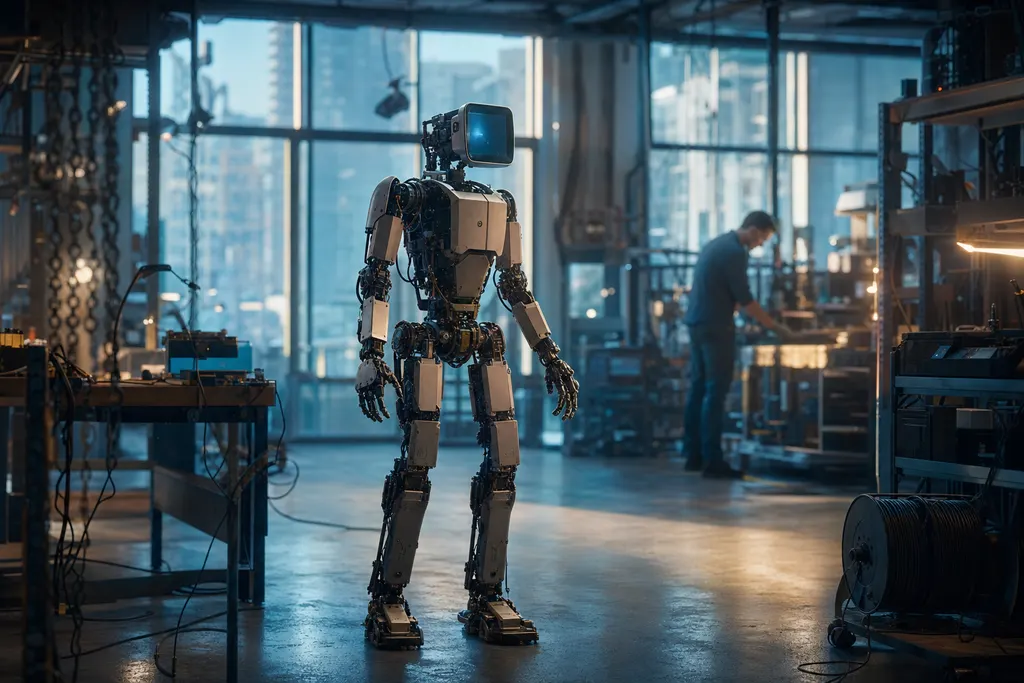
Meta built a prototype humanoid robot with Chinese startup Fourier and has begun work on a second version, The Information reported on October 31, 2026, citing people familiar with the effort. The robot is a prototype, not a product, and nothing in the coverage describes it as working anywhere outside Meta. It matters to readers following home robots because it shows one of the largest US platform companies testing a physical robot, and doing it with a Chinese hardware maker.
Reuters relayed the report and said it could not immediately verify it. The Next Web also said it had not independently verified the claims. The details come from anonymous sources.
Meta says the work is internal research, with no plans to sell
Meta did respond to The Information. According to Investing.com and The Next Web, the company said its work with Fourier is for internal research and experimentation, and that it has no plans to sell the units. The pages we found do not show Meta confirming the project beyond that statement.
Fourier has published no specifications or images, according to AI Weekly. Markets Insider notes that Meta has not announced a commercial robot, a launch date or a production budget. One source told The Next Web that no launch date has been set.
Max is reported as a 48 kg prototype built in about three months
The robot, known internally as Max, was reportedly built by Meta and Fourier in about three months. The aim was to help Meta's robotics unit develop a more polished product that the company could eventually release. Here is what the reports say about the machine:
- Size: about 48 kg (106 pounds) and about 1.5 m (nearly 5 feet) tall.
- Computing: Nvidia's Jetson Thor chip, a processor designed for running AI inside robots.
- Features: a display that mimics facial expressions, built-in speakers and five-fingered hands for picking up small objects.
- Heritage: built on hardware and experience from Fourier's first-, second- and third-generation robots, according to Zhidx, as relayed by 36Kr.
- Design requirements: recognizing sounds from 5 m away, understanding gestures from 3 m away and maintaining eye contact, per the same Zhidx account.
Max was reportedly shown to some Meta employees at an internal robotics summit in late August. Li-Chen Miller, Meta's vice president of product for robotics, reportedly spent almost two months at Fourier's Shanghai factory, according to Investing.com.
A second version is already in development
Work on Max 2 reportedly began in September. Investing.com says it is expected to have a redesigned torso, improved hands, a projector and extra sensors for navigating stairs. No details on timing have been reported.
The stated goal is a household robot tied to Meta's Muse AI
Meta reportedly sees humanoids as a physical extension of Muse, its AI system, with a long-term aim of helping with household tasks. Reuters called Muse an agent, meaning software that takes actions on a user's behalf, while other outlets called it an AI model. Zhidx, via 36Kr, reports that Meta chief technology officer Andrew Bosworth described the humanoid internally as the physical form of Muse.
The Next Web also says Nvidia agreed this week to invest $3 billion in Meta and expand their work on Muse. We found that claim only in that outlet, so it is not independently confirmed. Meta also bought Assured Robot Intelligence in May, according to summaries by The Next Web and AI Weekly.
Why a US company works with a Chinese maker is not explained
The pages we found do not give Meta's or Fourier's own reason for the partnership. An editor's note in AI Weekly, which is commentary rather than reporting, suggests Meta is sourcing hardware wherever it is fastest.
Markets Insider adds some context. It says Meta is hiring engineers in Shanghai and Shenzhen to move robotics projects from prototype toward mass production. It also says the FCC proposed in August to cut an import exemption for certain restricted devices from 4,000 units to 40. Meta says its current Fourier work is strictly research.
What it means for people watching home robots
If Meta eventually sells a home robot, Markets Insider says it could compete with Tesla's Optimus. Tesla has started Optimus production in Fremont but warns of a slow ramp. For now, Max is one more sign that large companies are building prototypes, not that households can buy one.
For background on where humanoids fit among machines, see our guide to the main categories of robots. The next signals to watch are whether Meta or Fourier comment publicly, and whether Max 2 shows up beyond internal events.
This article was written with AI by the Roboneum Newsroom, using only the sources it cites. Figures marked “Roboneum calculation” are our own arithmetic from those sources.