6:40 am · The workshop
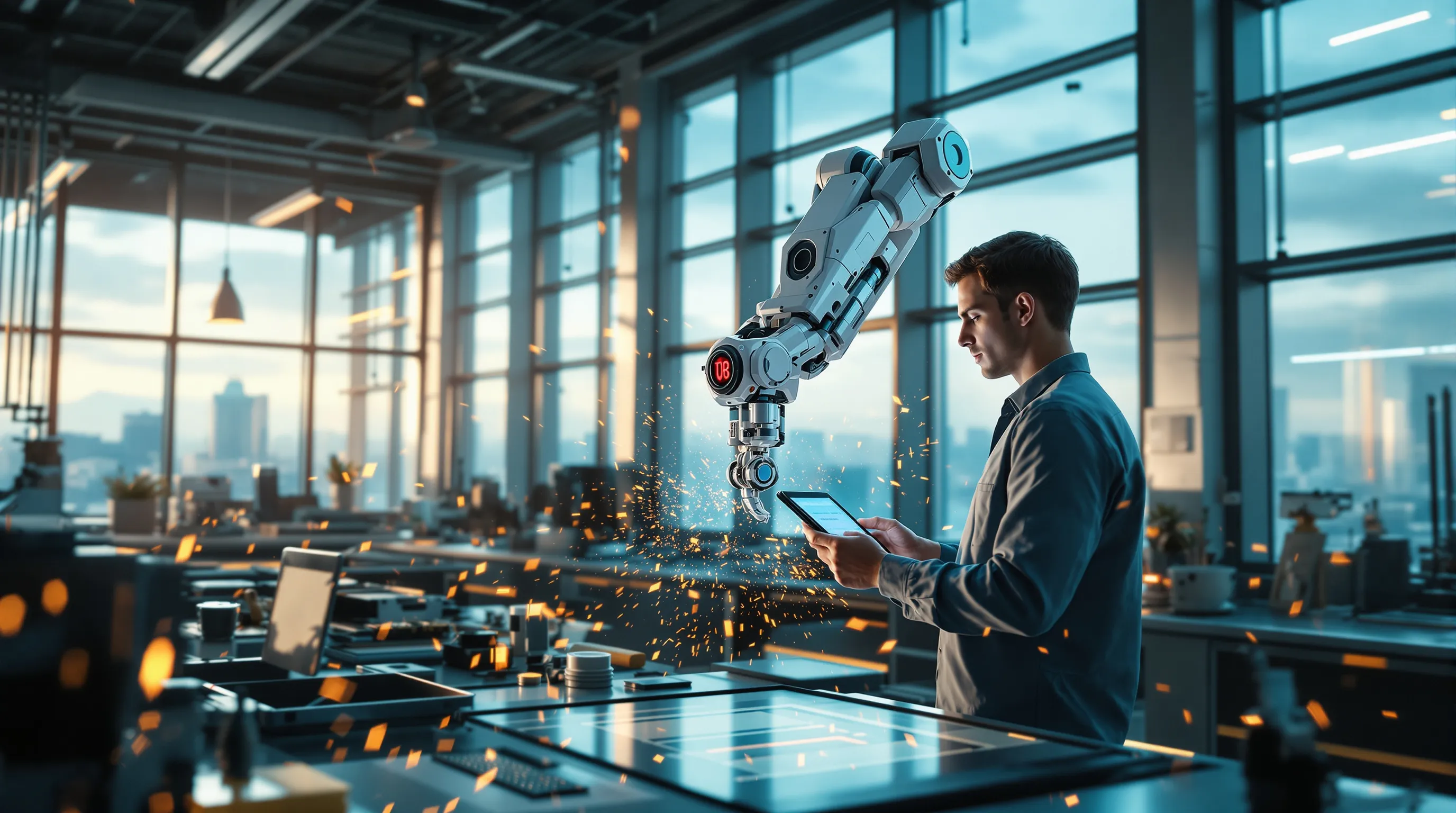
Léa reprograms the robotic arm before the morning shift arrives. Five years ago, she was a welder. Today, she teaches machines.
Prologue
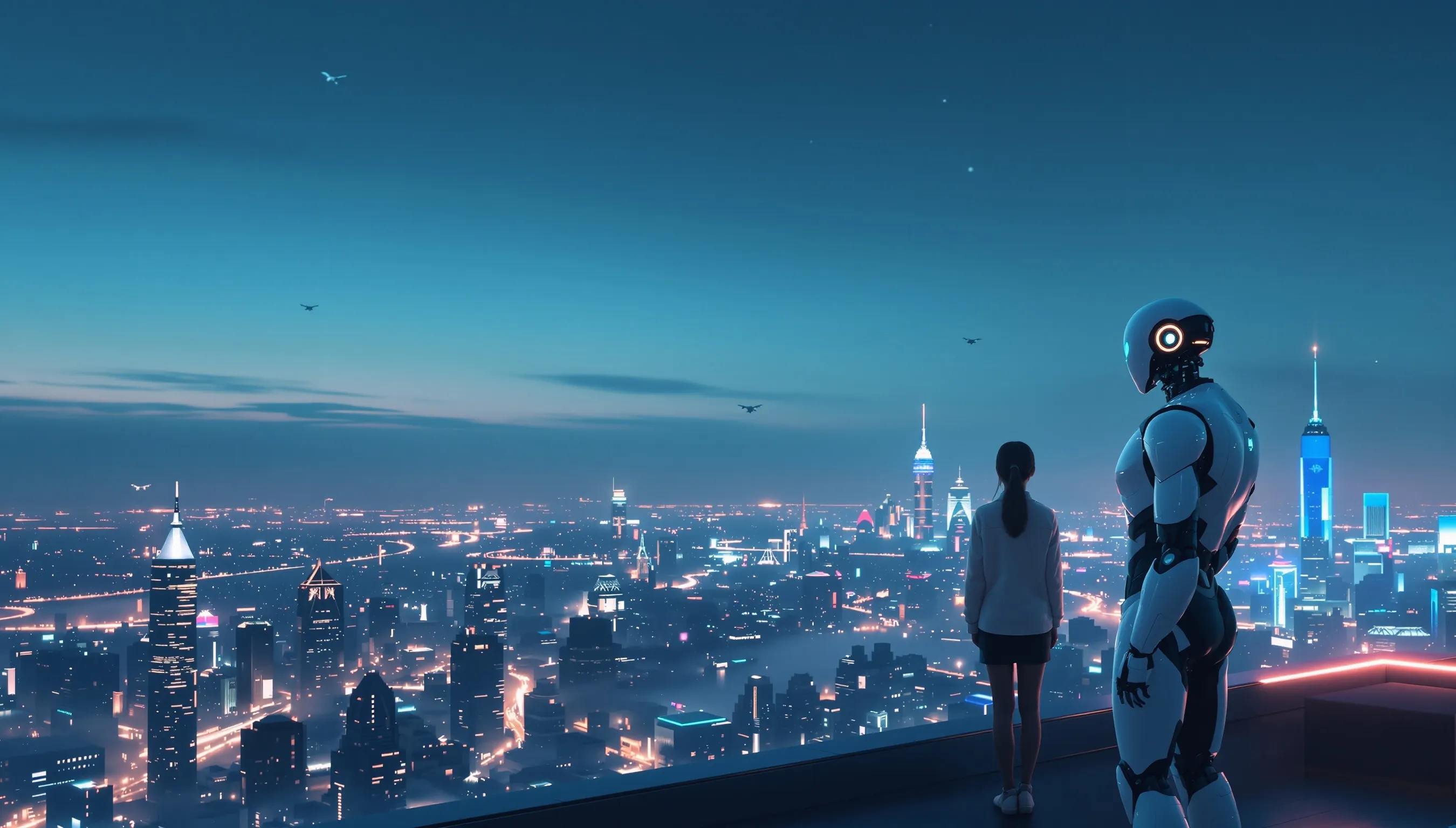
One evening, somewhere in 2035, a young woman watches the city light up. Next to her, a machine watches the same thing. Neither of them knows yet what the other is thinking. This story is ours. It has already begun.
Read the storyChapter 1 · The tipping point
Yesterday, knowing how to use a computer made the difference. Tomorrow, it will be knowing how to talk to machines.
Nobody saw the internet coming into their kitchen. One day, it was just there. Robotics is following the same path, only faster. It is leaving the labs, moving through the factories and settling onto our sidewalks.
Revolutions never send a warning. They only leave a choice between two seats: one for those who watch, and one for those who build.
Chapter 2 · A day in 2035
Four moments, a single day. None of this is science fiction: every scene already exists, somewhere, in one form or another.
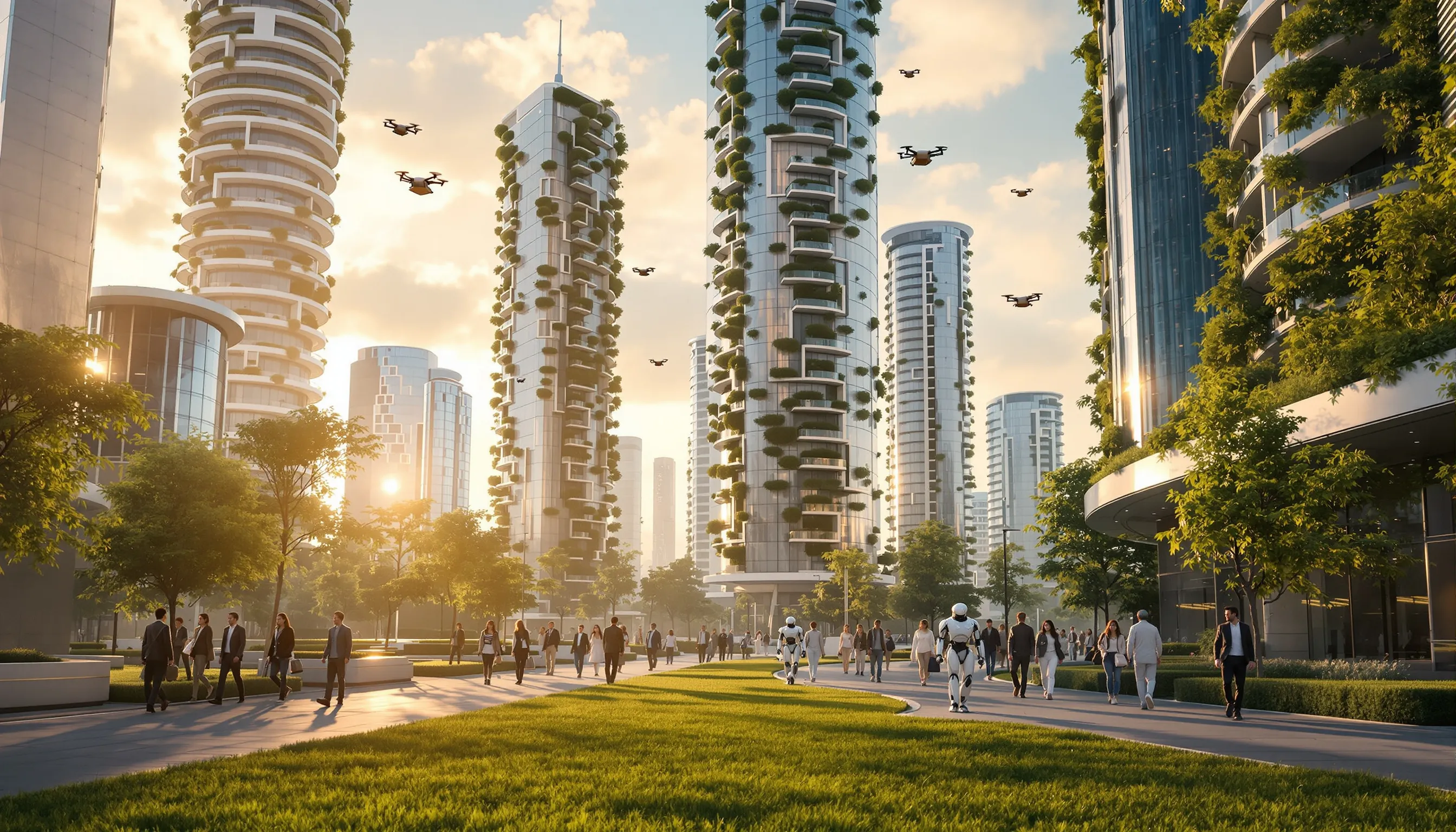
Léa reprograms the robotic arm before the morning shift arrives. Five years ago, she was a welder. Today, she teaches machines.
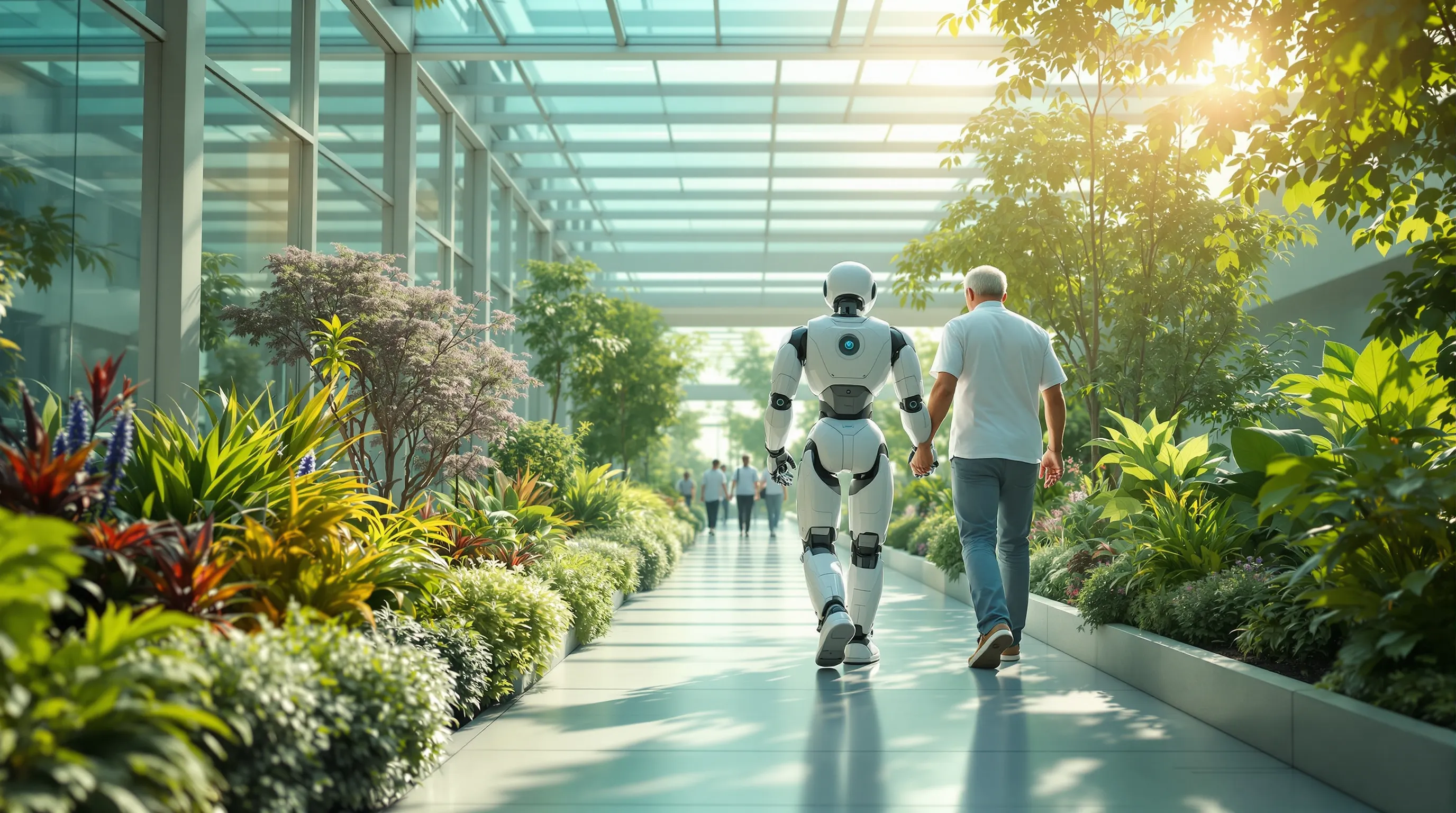
Mr. Arnaud takes his first steps again after surgery. He isn’t looking at the robot holding him up. He’s looking at the garden.
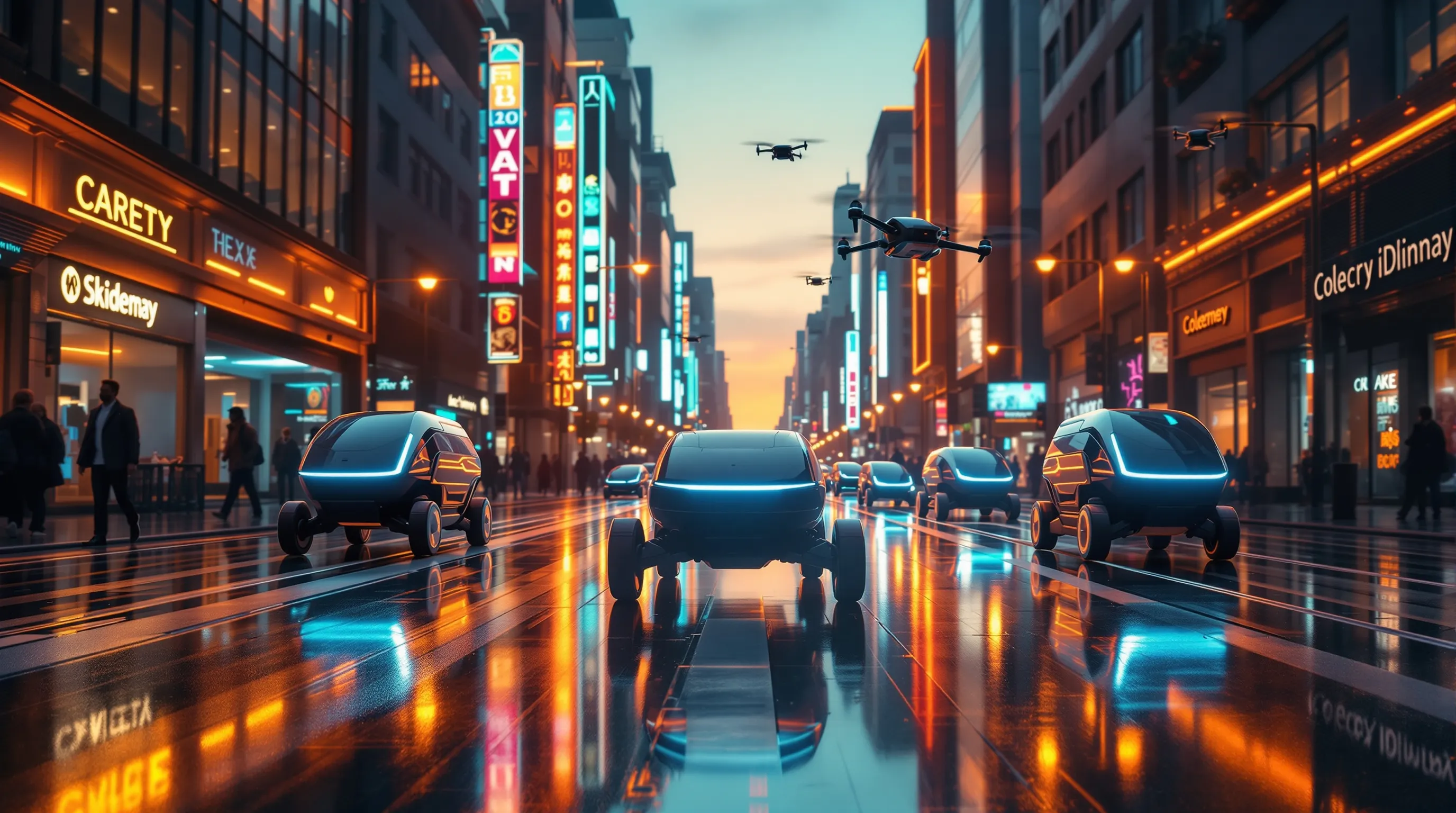
Three small autonomous couriers stop at the red light. A child waves at them. Nobody turns around anymore.
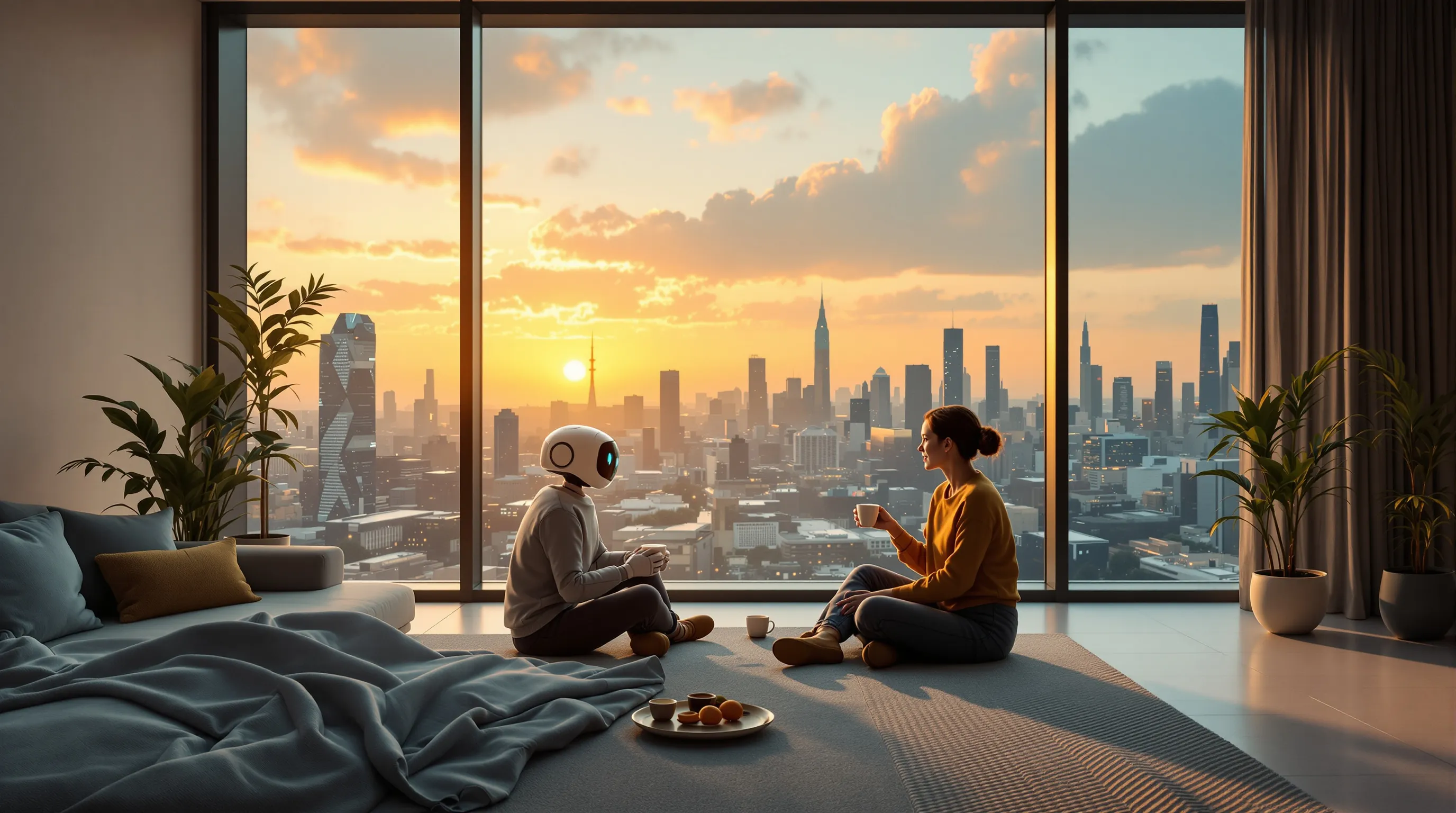
The tea is still hot. The city glitters. Someone, somewhere, designed every gesture of this little machine.
Meanwhile, today
The robots of this story are being built right now. Our newsroom follows them every day.
Tesla says Optimus production began at Fremont, but Musk expects a slow ramp and outside deliveries around late 2027. What is known, and what is not.
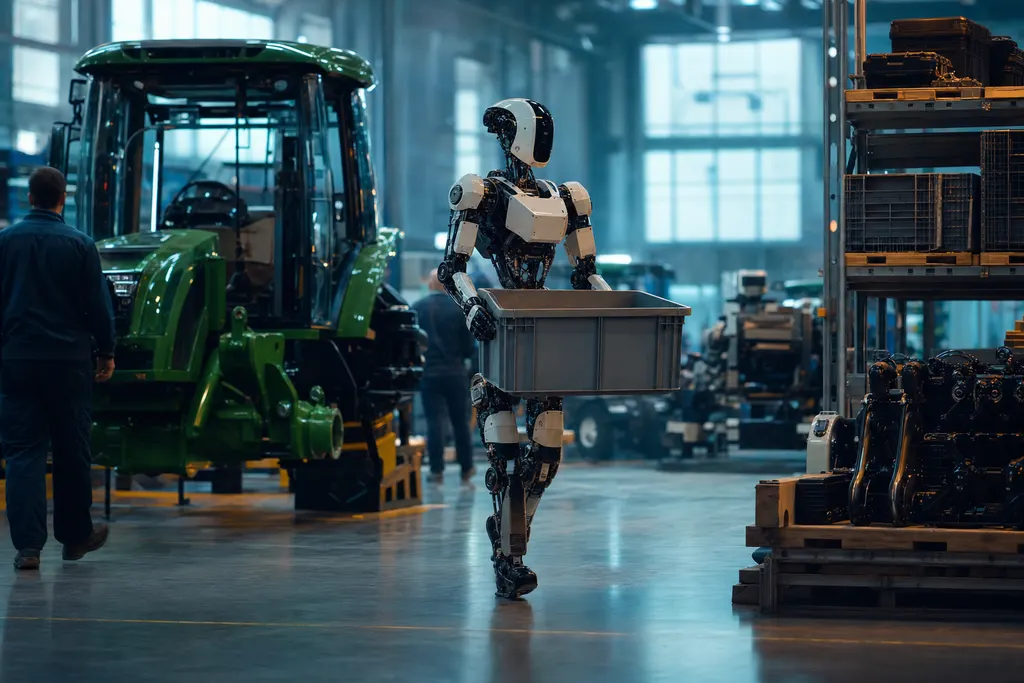
AGCO and Agility Robotics plan a 2027 pilot of Digit humanoid robots at the Hesston, Kansas plant. What Digit will do, what is undisclosed, and how it compares.
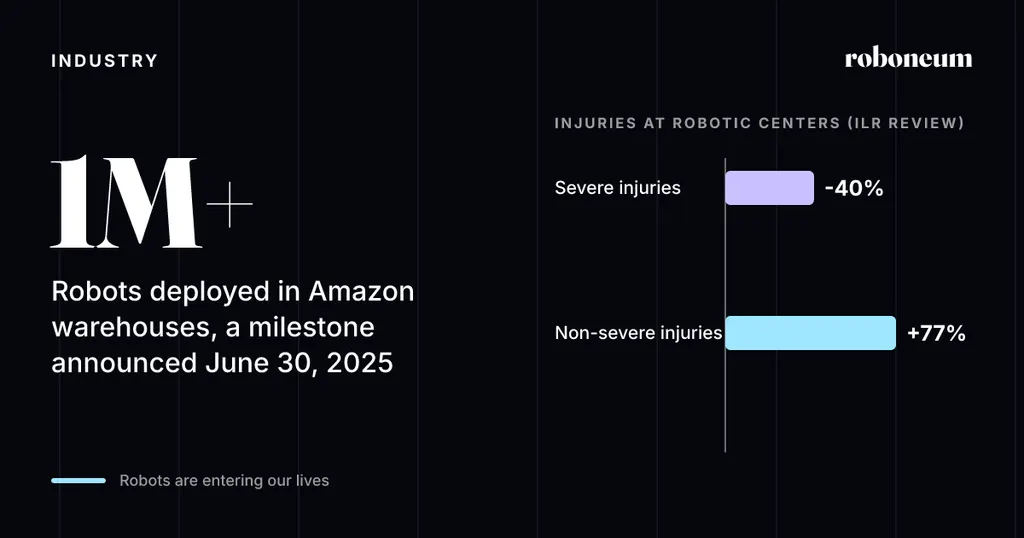
Amazon passed 1 million warehouse robots in June 2025. See what DeepFleet, nine robot types and 1.5 million workers mean for speed and safety. Read the full report.
Chapter 3 · The question
It won’t be the machines that decide who wins. It will be access.
Tomorrow, artificial intelligences will design robots, repair them, improve them. The real question will no longer be who does the work, but who the work belongs to. Their strength, their energy, their power will go to those who own these machines and know how to use them.
The danger isn’t that robots replace us. It’s that they belong to a few, and everyone else lives in a world they hold no keys to. We want you to be among those who hold them.
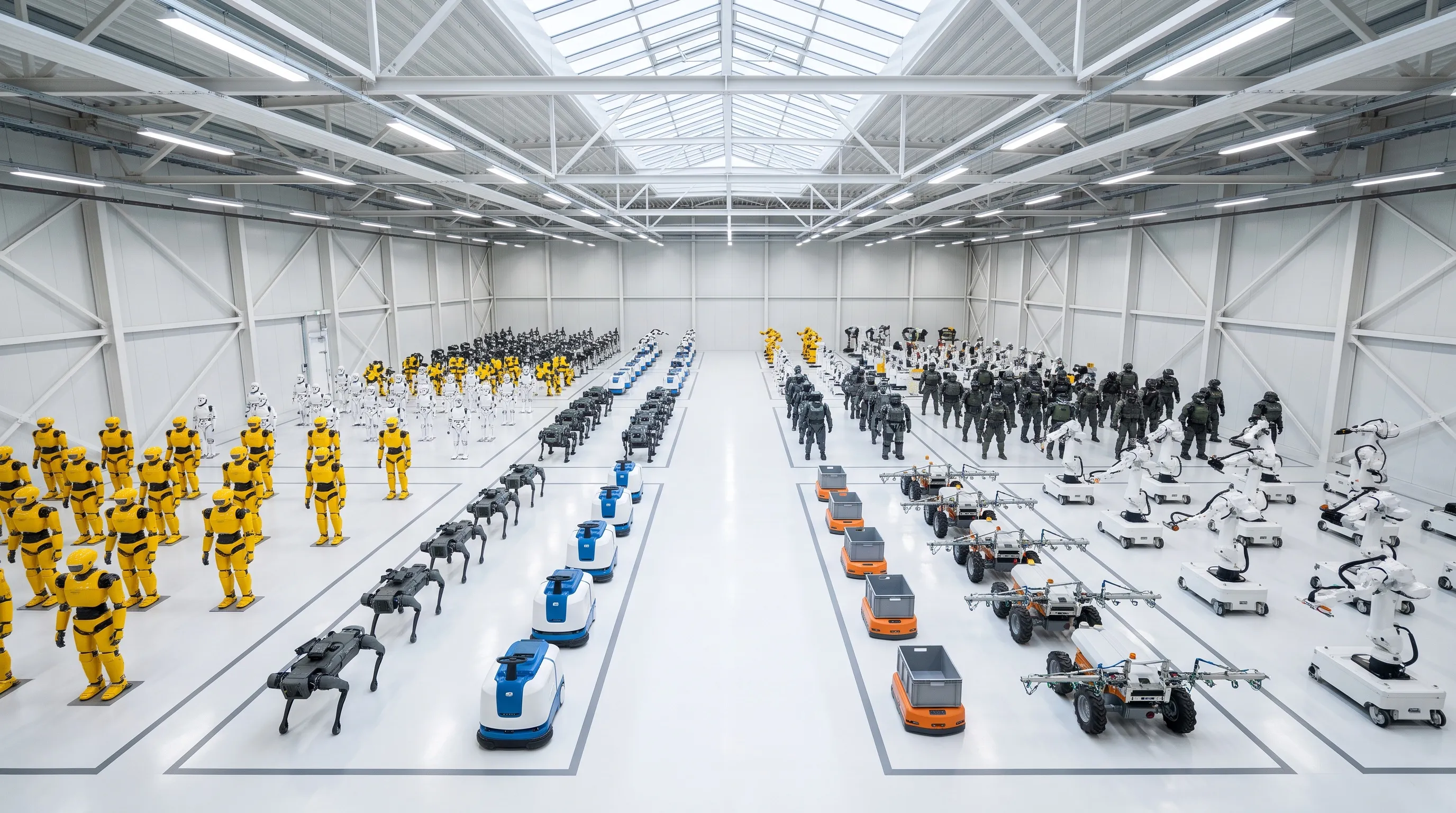
An army at rest. Each square awaits its orders.
Chapter 4 · A letter
To whoever reads this,
For a long time, I believed the future would arrive all at once, like in the movies. I was wrong. It arrives in pieces, without a sound. A robotic arm in a warehouse. A vacuum mapping the living room. A steel dog patrolling a construction site. On their own, they seem harmless. Together, they form an army.
Look at this hangar. Entire battalions, lined up by trade: building, caring, cleaning, feeding, transporting, manufacturing, defending. Every one of these machines already exists, as a prototype or on a production line. What is still missing is numbers. They will come faster than we think.
I don’t believe robots will hate us, or that they will save us. I believe they will obey. And that is exactly why the only question that matters is: whom?
In the world ahead, wealth will no longer be measured only in money or land, but in machines. Whoever owns a hundred robots that build, farm and deliver commands a workforce and an energy no salary will ever match. If these machines stay in the hands of a few companies and a few states, the gap between them and us will no longer be a gap. It will be a chasm.
I refuse that future. Not by fighting it, but by stepping into it. I want as many people as possible to know how to open a machine, understand it, program it, repair it, and build one from scratch. Not necessarily to become engineers. So that they never become dependent.
That’s why I started Roboneum. So that you won’t be spectators of this army, but among those who command it.
The future waits for no one. But it can still be shared.
Chapter 5 · It all starts on a workbench
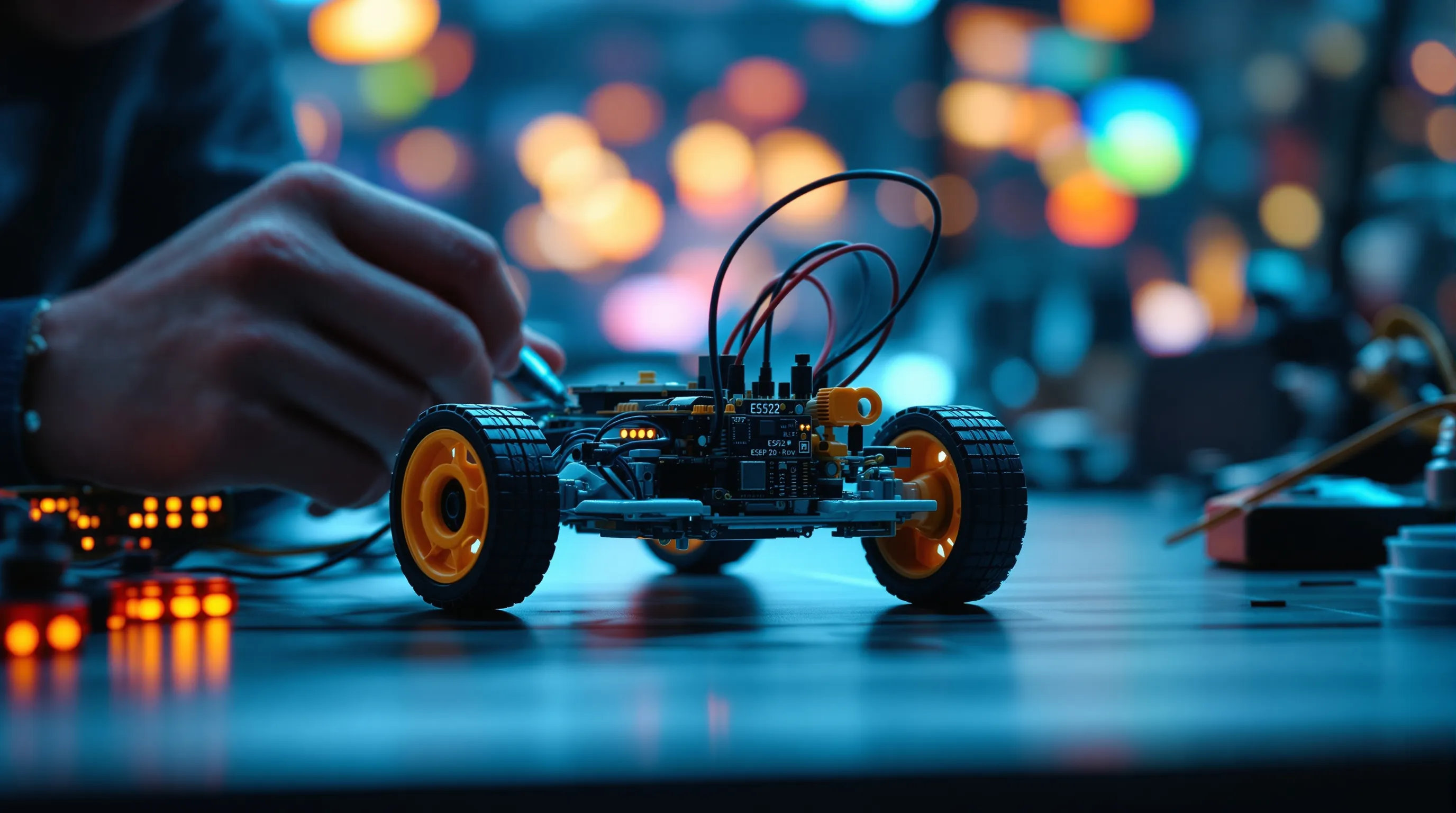
There is only one way not to be left behind: knowing how to build your own machines. Roboneum was born from that conviction. Anyone can do it, as long as someone takes the time to explain everything. No jargon, no prerequisites. Just curiosity and a workbench. And everyone goes through the same three moments of wonder.
Two wires, a battery, a resistor. It looks trivial. It’s the moment you understand that electricity obeys.
A motor turns because you decided it should. The screen is no longer a window: it’s a remote control for the real world.
It hesitates, bumps into things, backs up, sets off again. And somewhere between two turns, you realize you’re no longer watching the future. You’re making it.

Epilogue · What comes next is written with you
Roboneum is getting ready. Join the newsletter to follow the story from the very first chapter: behind the scenes, discoveries, and the moment everything opens up.